Soil Amendment: The Key To Healthy Plants
Soil Amendment: The Key to Healthy Plants
Healthy soil is essential for healthy plants. Soil amendments are materials that are added to soil to improve its physical, chemical, and biological properties. They can help to improve drainage, aeration, water retention, nutrient availability, and overall soil health.
There are many different types of soil amendments available, each with its own benefits. Some of the most common soil amendments include:
- Compost: Compost is made from decomposed organic matter, such as food scraps, yard waste, and manure. It is a rich source of nutrients and helps to improve the structure and fertility of soil.
- Manure: Manure is another excellent source of nutrients for plants. It is made from the excrement of animals, such as cows, chickens, and pigs. Manure can help to improve soil structure and drainage, and it also contains beneficial microbes that can help to promote plant growth.
- Gypsum: Gypsum is a type of mineral that can help to improve soil drainage and aeration. It also helps to neutralize acidity in soil.
- Lime: Lime is another type of mineral that can help to improve soil pH. It is especially beneficial for plants that prefer alkaline soil conditions.
- Vermicompost: Vermicompost is made from compost that has been processed by worms. It is a highly nutrient-rich soil amendment that also contains beneficial microbes.
The best soil amendment for your plants will depend on the specific needs of your soil and the plants you are growing. If you are not sure which soil amendment to use, it is always a good idea to consult with a local nursery or garden center.
How to Apply Soil Amendments
Soil amendments can be applied to soil at any time of year, but it is best to apply them in the fall or spring. This will give the amendments time to break down and improve the soil before planting season.
To apply soil amendments, simply spread them evenly over the soil surface. Then, use a garden rake or tiller to mix the amendments into the soil. The depth of mixing will depend on the type of soil amendment you are using. For example, compost should be mixed into the top 6 inches of soil, while lime should be mixed into the top 12 inches of soil.
How Much Soil Amendment to Use
The amount of soil amendment you need to use will depend on the type of soil you have and the plants you are growing. In general, you will need to apply about 2-4 inches of soil amendment per 100 square feet of garden space.
If you are not sure how much soil amendment to use, it is always a good idea to err on the side of caution and use less rather than more. Too much soil amendment can actually damage your plants.
Benefits of Using Soil Amendments
There are many benefits to using soil amendments. Here are just a few:
- Improved drainage: Soil amendments can help to improve drainage by breaking up compacted soil and creating air pockets. This is important for plants that do not like wet feet, such as tomatoes and peppers.
- Increased aeration: Soil amendments can also help to increase aeration by creating air pockets in the soil. This is important for all plants, as it allows their roots to breathe.
- Enhanced water retention: Soil amendments can help to retain water by increasing the organic matter content of the soil. This is important for plants that grow in dry climates or that are prone to drought.
- Improved nutrient availability: Soil amendments can help to improve nutrient availability by breaking down organic matter and releasing nutrients into the soil. This is important for all plants, as it ensures that they have the nutrients they need to grow healthy and strong.
- Promoted plant growth: Soil amendments can help to promote plant growth by providing the nutrients, water, and oxygen that plants need to thrive. This can lead to healthier, more productive plants.
Conclusion
Soil amendments are an important part of any gardening program. They can help to improve the physical, chemical, and biological properties of soil, which can lead to healthier, more productive plants. If you are looking to improve the health of your soil, consider adding some soil amendments to your garden this year.
Soil amendments are materials added to soil to improve its physical and chemical properties. They can help to improve drainage, aeration, water retention, nutrient availability, and soil pH. There are many different types of soil amendments available, both organic and inorganic. Some common organic amendments include compost, manure, and peat moss. Some common inorganic amendments include sand, gravel, and lime.
The type of soil amendment that you need will depend on the specific needs of your soil. If your soil is compacted, you may need an amendment that will help to improve drainage and aeration. If your soil is sandy, you may need an amendment that will help to improve water retention. If your soil is acidic, you may need an amendment that will help to raise the pH.
If you are unsure about what type of soil amendment you need, it is always best to consult with a soil expert. They can help you to test your soil and recommend the right amendment for your needs.
For more information about soil amendments, please visit Garden Wiki. This website provides comprehensive information about the different types of soil amendments available, as well as tips on how to choose the right amendment for your soil.
FAQ of soil amendment is
- What is a soil amendment?
A soil amendment is a material that is added to soil to improve its physical, chemical, or biological properties. Soil amendments can be organic or inorganic, and they can be added to soil in a variety of ways.
- Why do I need to amend my soil?
There are many reasons why you might need to amend your soil. Some common reasons include:
* To improve the drainage of your soil
* To add nutrients to your soil
* To loosen compacted soil
* To increase the organic matter content of your soil
* To reduce soil acidity or alkalinity
- What are some common soil amendments?
Some common soil amendments include:
* Compost
* Manure
* Peat moss
* Sand
* Perlite
* Vermiculite
- How do I choose the right soil amendment for my needs?
The type of soil amendment you choose will depend on the specific needs of your soil. If you are not sure what type of soil amendment you need, you can consult with a local nursery or garden center.
- How do I apply soil amendments?
The best way to apply soil amendments will vary depending on the type of amendment you are using and the condition of your soil. In general, you will want to work the amendment into the soil to a depth of at least 6 inches.
Image of soil amendment is
- Compost. A mixture of organic materials that have decomposed, such as leaves, grass clippings, and vegetable scraps. Compost is a good source of nutrients and helps to improve the soil's structure.
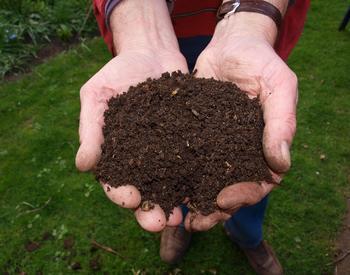
- Manure. Animal waste that has been composted. Manure is a good source of nutrients, especially nitrogen and phosphorus.

- Peat moss. A type of organic matter that is made from the decomposition of sphagnum moss. Peat moss helps to improve the soil's water retention and drainage.
- Vermicast. A type of compost that is made from the castings of worms. Vermicast is a good source of nutrients and helps to improve the soil's structure and drainage.

- Perlite. A type of volcanic glass that has been expanded. Perlite helps to improve the soil's drainage and aeration.


Post a Comment for "Soil Amendment: The Key To Healthy Plants"